

FTH Company News

Modern gaming software development technologies at FTH Company

Modern technologies shaping Gaming software development at FTH Company

FTH Company continues to strengthen its Gaming software development process by integrating modern technologies into everyday production. The focus is not only on visual quality, but also on creating a workflow where design, engineering, QA, and live support operate as one connected system.

One of the key directions is scalable cross-platform architecture. This allows teams to build gameplay features once and adapt them more efficiently for different devices and release environments. As a result, development becomes faster, testing becomes more predictable, and the final product gains better performance stability.

FTH is also increasing the use of analytics-driven iteration inside the production cycle. Gameplay metrics, structured testing, and rapid feedback loops help the team identify weak points earlier and refine mechanics before launch. That reduces risk in production and improves the overall player experience.

By combining modern technical infrastructure with creative game thinking, FTH Company is building a more adaptive development model for gaming products. This approach helps the company move from concept to release more confidently while keeping long-term scalability and post-launch support in focus.
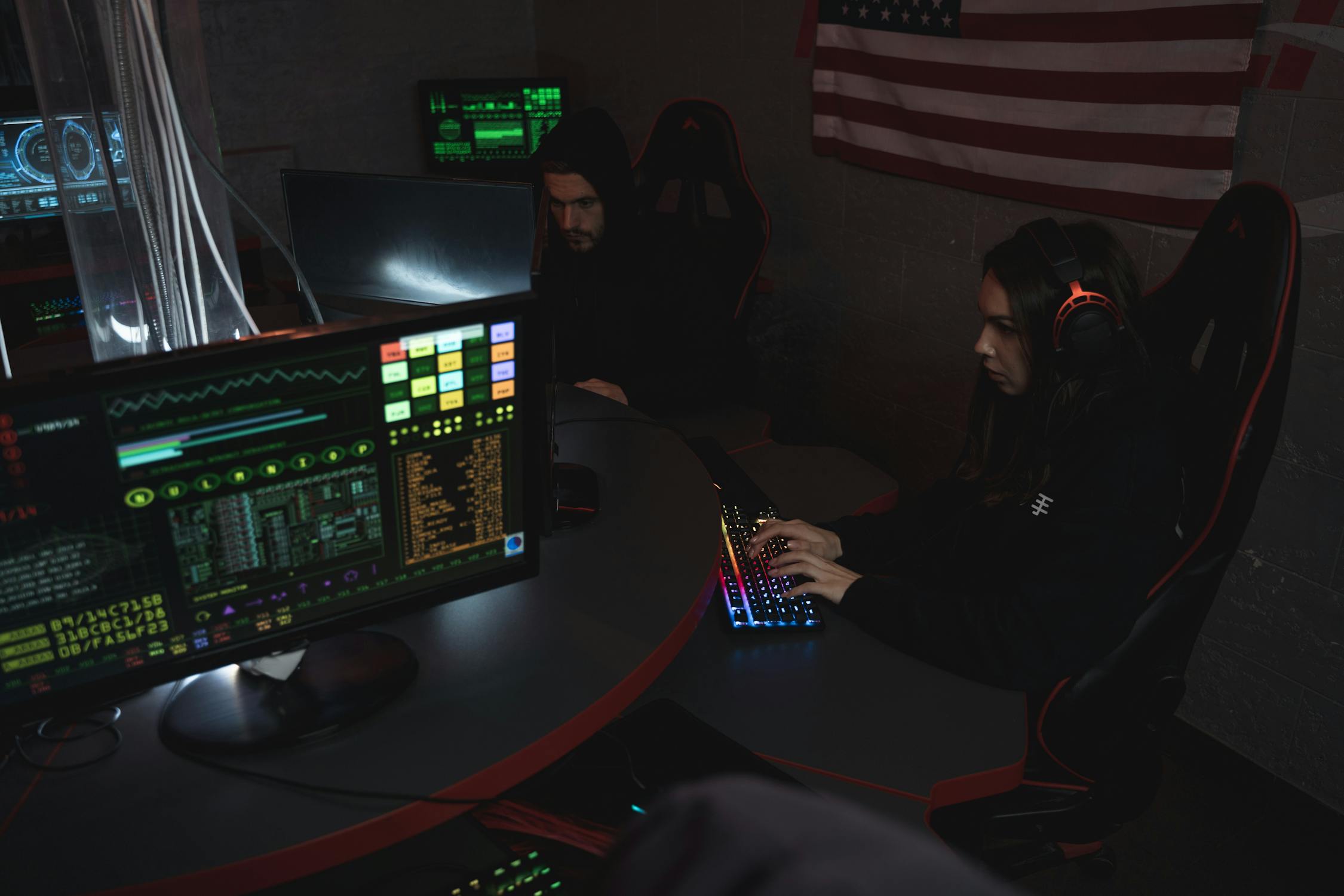
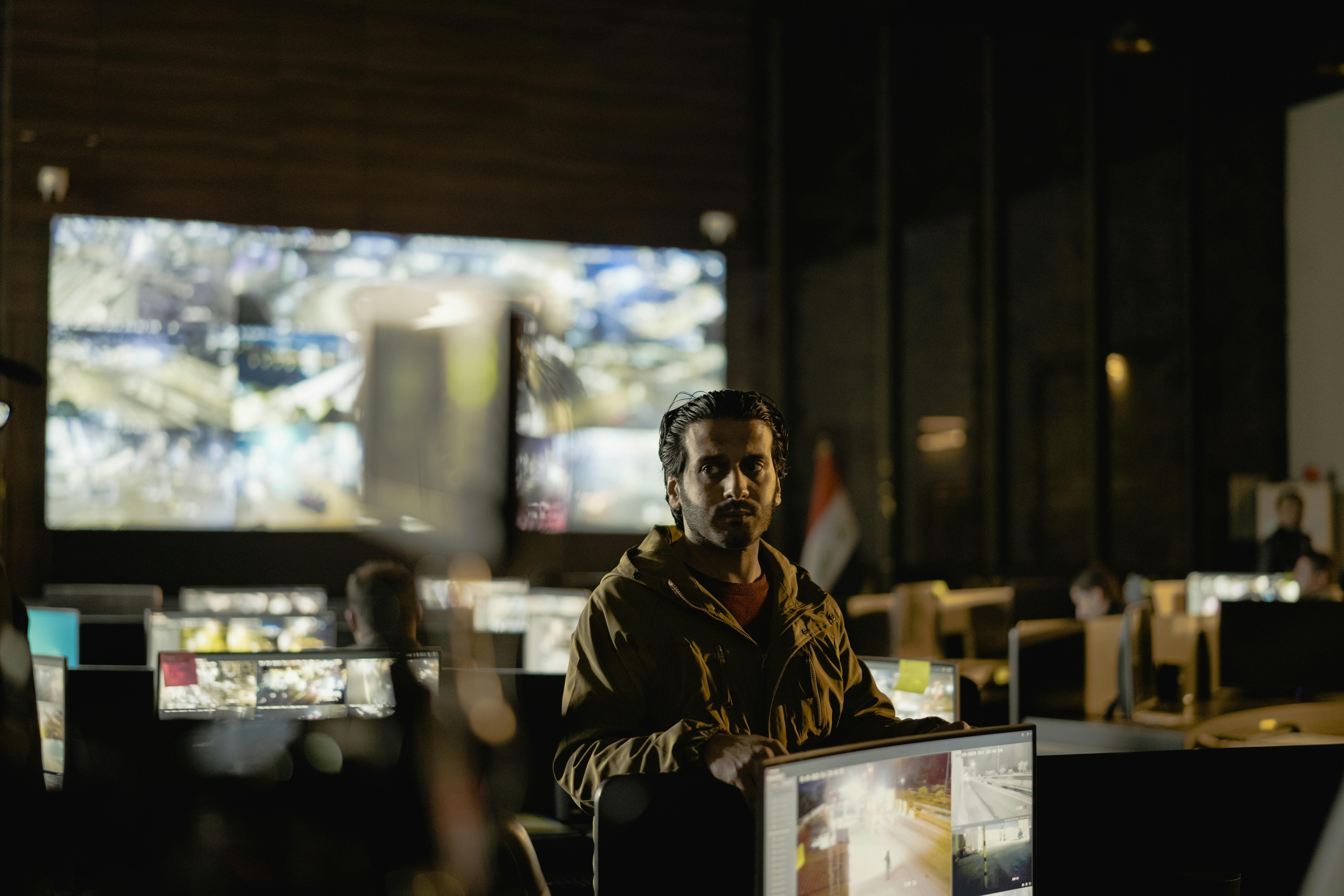
Data protection and cybersecurity specialists working with secure systems

How FTH Company strengthened data protection with modern security methods

FTH Company has continued to improve the way client and internal data are protected by introducing a more modern security framework across infrastructure, development, and operational processes. The objective has been to reduce exposure at every stage where sensitive information is stored, transferred, or processed.

A key part of this work has been the stronger use of access segmentation, encrypted environments, and tighter control over data flows between systems. Instead of relying on one perimeter, the company applies layered protection so that critical information remains isolated and resilient even under elevated risk conditions.

Security reviews are now integrated more deeply into technical delivery cycles. This means vulnerabilities can be identified earlier, risky configurations can be corrected faster, and teams can validate data handling practices before products move into broader deployment or support stages.

As a result, FTH Company has been able to create a more reliable environment for data protection while keeping systems practical for day-to-day operations. The emphasis is on modern methods that strengthen trust, improve resilience, and support long-term secure growth.

Cybersecurity specialists monitoring modern digital threats

Why modern cybersecurity remains a critical priority for digital businesses

Cybersecurity is no longer a background function for modern businesses. As digital products become more interconnected, the speed and complexity of threats continue to rise, making proactive protection a core business requirement rather than a technical add-on.

Attack surfaces now extend across cloud environments, connected services, user devices, development pipelines, and third-party integrations. That means companies need security models that are continuous, adaptive, and closely tied to how systems are actually built and operated.

At FTH Company, cybersecurity is approached as an active discipline that combines monitoring, structured auditing, preventive controls, and practical response planning. The value of this approach is not only in stopping incidents, but in reducing the chance that small weaknesses become major disruptions.

For organizations working with digital products, customer data, and distributed infrastructure, current cybersecurity demands both technical depth and operational discipline. The businesses that treat security as an ongoing capability, not a one-time task, are the ones best prepared for long-term stability.